
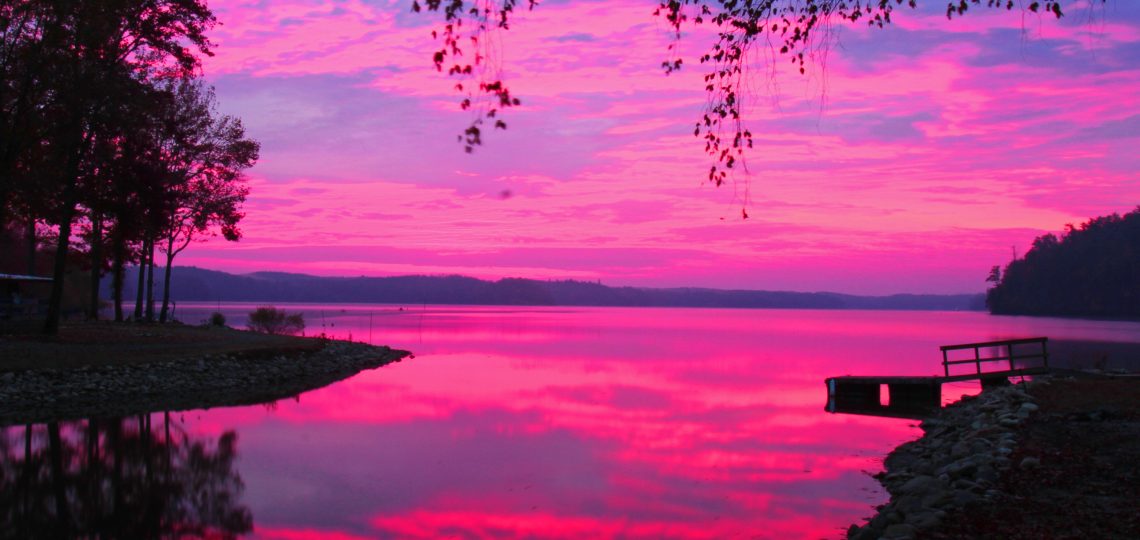
The Complete Guide to Lake James State Park
Why Two State Park Access Areas Make Lake James One of North Carolina’s Greatest Outdoor Destinations
“The best places are the ones that leave you wondering why you didn’t discover them years ago.”
That is exactly how many people feel after their first visit to Lake James.
Some come for an afternoon and end up returning every summer. Others buy a kayak, then a boat, and before long they’re looking at homes with mountain views and a dock. It happens more often than you might think.
Lake James has a way of getting under your skin.
While the lake itself deserves much of the credit, there is another reason Lake James stands apart from nearly every other reservoir in North Carolina.
It is home to one of the finest state parks in the Southeast.
Most visitors think there is simply one entrance to Lake James State Park. In reality, the park is made up of two distinct access areas, each offering its own personality and outdoor experiences. Together they protect more than 3,700 acres of forests, shoreline, streams, and wildlife surrounding one of North Carolina’s cleanest lakes.
Whether you enjoy hiking, camping, mountain biking, fishing, paddling, bird watching, swimming, or simply finding a quiet place to watch the sun disappear behind Shortoff Mountain, Lake James State Park offers something that keeps visitors coming back year after year.
As local Realtors, Fletcher Edens and I spend a great deal of time introducing people to Lake James. Before we ever show them a house, we often show them the lake itself. It doesn’t take long before they understand why so many families choose to make this place home.
Let’s explore one of North Carolina’s hidden treasures.
A Brief History of Lake James State Park
Lake James itself is older than the state park.
Construction of the lake began in 1916 when Southern Power Company, which would later become Duke Power and eventually Duke Energy, built the dam on the Catawba River to generate hydroelectric power. By 1923 the reservoir was complete, creating more than 6,800 acres of sparkling mountain water tucked between the Blue Ridge foothills.
For decades the shoreline remained largely undeveloped.
Recognizing the recreational and environmental value of the area, North Carolina established Lake James State Park in 1987. Since then the park has expanded significantly through land conservation efforts and partnerships with state agencies and private landowners.
Today the park protects thousands of acres of hardwood forest while providing public access to one of the most beautiful lakes in the Southeast.
Perhaps the greatest achievement has been preserving so much of the shoreline. Unlike many lakes that become lined with development from one end to the other, Lake James still feels remarkably wild.
You can paddle for miles and feel as though civilization has quietly disappeared.
That is becoming increasingly rare.
Why Lake James Is Different
Every lake has water.
Not every lake has mountains.
Even fewer have mountains, clear water, protected shoreline, waterfalls nearby, and one of the deepest gorges east of the Mississippi only minutes away.
Lake James sits where the Blue Ridge Mountains begin giving way to the Piedmont.
Several mountain rivers feed the lake, including the Linville River and the Catawba River. Because these rivers originate high in the mountains, the water arriving at Lake James is remarkably clean.
On calm mornings you can often see several feet beneath the surface.
Stand on one of the overlooks and you’ll notice something else.
The mountains don’t merely surround the lake.
They embrace it.
Shortoff Mountain dominates the northern skyline while Linville Gorge Wilderness rises just beyond. Pisgah National Forest wraps around much of the surrounding landscape.
It is difficult to imagine a prettier setting.
Paddy’s Creek Access
The Front Porch of Lake James
If you ask ten families where they spent their childhood summers at Lake James, chances are several will mention Paddy’s Creek.
This is the most visited section of Lake James State Park, and for good reason.
Everything about it invites people to slow down.
The entrance winds through towering hardwoods before opening onto one of the park’s signature landmarks.
The bridge over Paddy’s Creek.
Nearly everyone stops here.
Some stop for photographs.
Others stop simply because the view is too beautiful to rush past.
On quiet mornings, mist rises gently from the creek while great blue herons hunt along the shoreline. During autumn the surrounding hills explode into brilliant shades of red, orange, and gold.
It is one of those places where cameras rarely do justice to what your eyes are seeing.
The Swimming Beach
One of the biggest surprises for first time visitors is discovering an honest to goodness sandy beach tucked into the mountains.
Many people associate beaches with the Carolina coast.
Lake James quietly reminds us that mountain beaches can be just as enjoyable.
The protected swimming area offers calm water that is ideal for families.
Children splash along the shoreline while parents relax beneath the shade of tall oak trees.
The beach is open seasonally and includes nearby restrooms, changing facilities, picnic areas, and ample parking.
If you arrive early on a summer morning, you’ll understand why locals treasure this place.
The water resembles glass.
The mountains reflect perfectly.
Even before the first swimmers arrive, the day already feels like a vacation.
Hiking at Paddy’s Creek
One thing quickly becomes apparent.
Lake James State Park is far more than a swimming destination.
Its trail system ranks among the finest in western North Carolina.
Whether you’re looking for an easy stroll with grandchildren or a longer hike through mature forests, you’ll find a trail that fits.
Holly Discovery Trail
This short trail introduces visitors to the ecology of Lake James.
Interpretive signs explain native plants, wildlife, and the importance of protecting mountain watersheds.
Families with young children especially enjoy this walk because every few hundred feet there is something new to discover.
Paddy’s Creek Trail
This trail follows beautiful sections of shoreline while weaving through hardwood forests.
Spring brings dogwoods, redbuds, and wildflowers.
Summer fills the woods with birdsong.
Fall transforms the trail into one of Burke County’s finest displays of color.
Winter offers distant mountain views hidden during the growing season.
Every season feels like an entirely different trail.
Mills Creek Trail
For those seeking solitude, Mills Creek Trail is difficult to beat.
Towering tulip poplars, white oaks, hickories, and mountain laurel create a peaceful forest canopy.
Walk quietly and you’ll likely encounter deer browsing nearby or hear pileated woodpeckers hammering into old trees.
Nature has a wonderful habit of rewarding patience.
Walking Through American History
One of the park’s most fascinating trails is also one of its most historic.
The Overmountain Victory National Historic Trail commemorates the remarkable journey of frontier militiamen who crossed these mountains in 1780 on their way to the Battle of Kings Mountain.
Historians often describe that battle as one of the turning points of the American Revolution.
Walking this trail provides more than exercise.
It connects visitors with one of America’s defining moments.
Imagine hundreds of determined frontiersmen marching through rugged mountain terrain carrying rifles, supplies, and the hopes of an emerging nation.
The trail allows visitors to retrace a small part of that extraordinary journey.
Mountain Biking
Many visitors have no idea Lake James has become one of western North Carolina’s favorite mountain biking destinations.
That often changes after their first ride.
The Tindo and Wimba trail systems offer flowing singletrack through rolling forests with enough climbs and turns to keep experienced riders smiling while remaining friendly to beginners.
Unlike some mountain bike systems where every climb feels like punishment, these trails seem designed by people who genuinely enjoy riding bicycles.
Expect sweeping turns, smooth descents, creek crossings, and enough scenery to make you forget you’re exercising.
Just don’t become so distracted by the views that you miss the next corner.
Camping at Paddy’s Creek
Camping has a funny way of slowing life down.
Nobody seems particularly interested in checking email while roasting marshmallows around a campfire.
Paddy’s Creek offers drive in campsites with modern amenities, making it ideal for families introducing children to camping.
Morning begins with birdsong instead of alarm clocks.
Evening ends beneath a sky full of stars.
For many families these annual camping trips become traditions that continue for generations.
Years later the children may not remember what toys they received for birthdays.
They will remember making s’mores beside Lake James.
Wildlife
One of the most exciting experiences at Lake James is spotting a bald eagle.
Once endangered throughout much of the country, these magnificent birds have returned to Lake James in impressive numbers.
It is not unusual to see one soaring above the shoreline searching for fish.
Other wildlife includes osprey, wild turkey, foxes, white tailed deer, river otters, beavers, turtles, salamanders, and an astonishing variety of songbirds.
Black bears occasionally wander through the surrounding forests, although they generally prefer avoiding people.
Bring a pair of binoculars and keep your eyes on the treetops. You never know what might appear.
Catawba River Access
The Quiet Side of the Park
If Paddy’s Creek is where families gather, the Catawba River Access feels more like your favorite secluded fishing spot.
There are fewer crowds.
More solitude.
Longer stretches where the only sounds come from wind moving through the trees.
Many locals quietly admit this is their favorite part of the park.
Not because it has more amenities.
Because it has fewer.
Sometimes less truly is more.
Sandy Cliff Overlook
Few places provide a better perspective of Lake James.
After a pleasant hike through hardwood forest, visitors reach an overlook that opens dramatically toward the lake and surrounding mountains.
Photographs rarely capture the scale.
Standing there, you begin to appreciate just how large Lake James really is.
Almost everyone who reaches the overlook pauses for a few minutes longer than they intended.
It is simply one of those places that encourages you to slow down.
Walk In Camping
Unlike Paddy’s Creek, campsites here require a short walk from the parking area.
That extra effort makes all the difference.
The campground feels quieter.
More secluded.
More connected with nature.
Evenings are wonderfully peaceful.
If you enjoy listening to barred owls calling through the darkness while the stars reflect on the lake, this is your kind of place.
Long Arm Peninsula
One of North Carolina’s Most Unique Campgrounds
This may be the coolest campground you’ve never heard about.
The Long Arm Peninsula offers paddle in campsites accessible primarily by canoe, kayak, or boat.
There are no parking lots beside your campsite.
No traffic.
No headlights.
Simply paddle across calm water until you arrive at your own little piece of paradise.
Campfires seem brighter.
The stars seem closer.
Morning coffee somehow tastes better when the only sound is a loon calling across the lake.
If you’ve never experienced paddle in camping, Lake James is a wonderful place to begin.
Fishing
Lake James has developed an outstanding reputation among anglers.
Smallmouth bass flourish in its clear water.
Largemouth bass patrol quiet coves.
Spotted bass, walleye, crappie, bluegill, catfish, and white bass provide opportunities throughout the year.
Early mornings often find fishermen easing quietly along rocky shorelines while mist rises from the water.
Even if the fish aren’t cooperating, there are certainly worse ways to begin a day.
Four Seasons of Beauty
Spring
Dogwoods bloom.
Redbuds light up the hillsides.
Wildflowers blanket the forest floor.
Waterfalls nearby run full from winter rains.
Summer
Families fill the beaches.
Boats explore hidden coves.
Children learn to ski.
Sunsets stretch late into warm evenings.
Autumn
This may be Lake James at its finest.
The mountains explode with brilliant color.
Cool mornings invite long hikes.
The lake becomes noticeably quieter after Labor Day.
Winter
Many people overlook winter.
They shouldn’t.
Leafless trees reveal mountain views hidden during summer.
The hiking trails become wonderfully peaceful.
Wildlife is often easier to spot.
Why These Parks Matter
State parks are more than places to picnic.
They preserve landscapes that otherwise might disappear forever.
Because so much of Lake James has been protected, future generations will experience many of the same views we enjoy today.
That matters.
The clear water.
The forests.
The wildlife.
The mountain scenery.
Those things cannot be recreated once they are lost.
Fortunately, here at Lake James, they have been protected with remarkable foresight.
More Than a Place to Visit
Spend a day exploring both access areas of Lake James State Park.
Hike a trail you’ve never hiked before.
Paddle into a quiet cove.
Watch the sunrise from the beach or stay until the last light fades behind Shortoff Mountain.
It won’t take long to understand why so many people return again and again.
Some arrive looking for a weekend adventure.
Others discover a place they eventually decide to call home.
Whether you’re planning your first visit or you’ve been enjoying Lake James for decades, the state park remains one of North Carolina’s greatest treasures. It is a place where families make memories, friendships grow stronger, and nature reminds us to slow down and appreciate the beauty around us.
If you’re considering buying or selling property on Lake James, or simply want to learn more about this remarkable corner of North Carolina, Bryan Jones and Fletcher Edens would be honored to help.
Visit www.lakejames.com for local information, community guides, and available properties.
Bryan Jones and Fletcher Edens
Keller Williams Unified | The Lake James Team
828 475 5870